Thread pitch explained: read your barrel before you buy
Thread pitch is a small marking with big consequences. Read the barrel stamp, match the pitch and diameter, and never guess—wrong threads misalign mounts and can wreck a can.
Native Industries ·
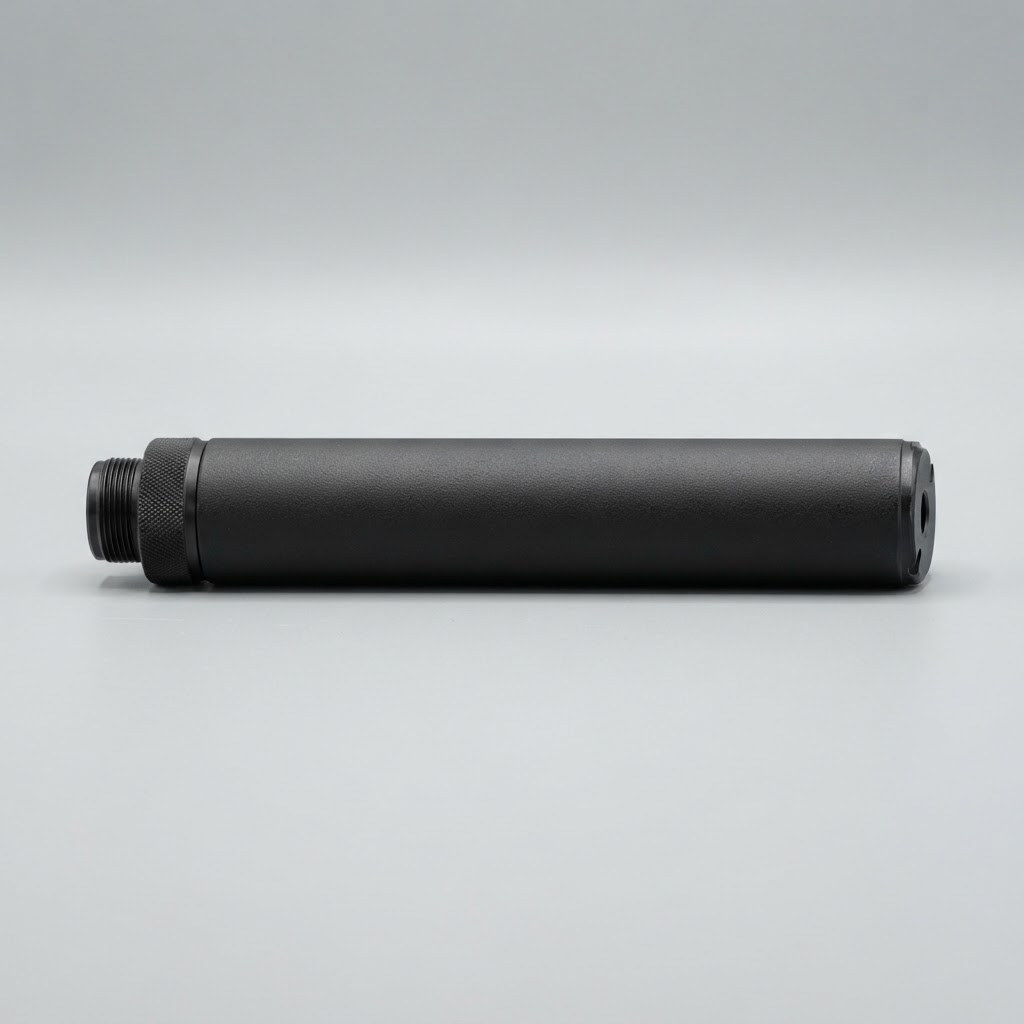
Why thread pitch matters A suppressor only works when it mounts correctly. Thread pitch determines how the can, mount or piston seats on the barrel. If the pitch or outside diameter is wrong, the mount can sit off-center, bind, or come loose. Misaligned mounting is a documented cause of baffle strikes, which happens when the bullet contacts the can because the bore and the suppressor axis no longer line up.
Confirming the thread pitch and shoulder diameter isn’t optional. The barrel stamp or the maker’s spec sheet is the primary source for that information; shoulder diameter and thread length also need to match the mount. Never guess at pitch or force a can onto a mismatched thread.
Common US pitches by caliber Here are the conventional pitches you’ll see on American barrels and which hosts they usually pair with. These are the common US conventions; always confirm from the barrel stamp or the maker’s specs before buying anything.
- 1/2x28: common on .22 rimfire, .223/5.56 rifles, and most US-market 9mm pistols.
- 5/8x24: used on most .30-caliber rifles (.308, .300 BLK, 6.5 Creedmoor, .30-06).
- 1/2x36: found on some 9mm and .380 pistols and on certain imports.
- 9/16x24: common on .40 S&W and 10mm pistols.
- .578x28: common on .45 ACP pistols and often the thread used for pistol pistons on many .45-bore cans.
- M13.5x1 LH (left-hand): common on European 9mm pistols, including many factory-threaded Glock barrels.
- M14x1 LH: common on AKM-pattern 7.62x39 rifles.
- 1.375x24: the HUB-style mount interface used on many suppressors; this allows swapping between direct-thread caps, quick-detach mounts and pistol pistons.
A thread protector must match both the pitch and the outside diameter of the barrel. For example, a bull or heavy contour barrel needs a larger-diameter protector than a standard tube.
How to read your barrel Look for a stamp on the barrel near the muzzle. Stamps commonly list the thread pitch and sometimes the shoulder or pilot diameter. If the stamp is missing or unclear, consult the barrel maker’s published spec sheet or the firearm manufacturer’s documentation.
Do not rely on assumptions from the cartridge or the pistol model alone. Threads are set by the barrel maker; even two barrels for the same caliber can use different pitches or pilot diameters. If the barrel stamp and the spec sheet disagree with a product listing, treat the listing as inconsistent and confirm with the maker or a trusted advisor before fitting a can.
If your pistol uses a booster or piston, the piston thread must match the barrel. Tilting-barrel designs require a booster (Nielsen device) so the slide will cycle reliably with the added mass of a can; that piston thread is part of the fit equation.
Why guessing wrecks cans A can that looks like it fits can still be deadly for the can. The suppressor bore must align with the bullet path; wrong or mismatched threads produce eccentric mounting. Misaligned threads and loose mounts are the first two causes of baffle strikes listed by suppressor makers. A baffle strike can damage the internal structure of the suppressor and create an unsafe condition.
Bore class and pressure rating are separate checks. Even if a bullet would physically pass through a can’s bore, the maker must rate the can for that cartridge’s pressure and gas volume. A pistol can’s bore clearance does not automatically mean it is safe for a rifle cartridge—rating matters as much as fit.
Finally, thread pitch affects sighting and operation. A can that isn’t seated fully can change point of impact; piston systems and boosters must match to avoid cycling problems on tilting-barrel pistols.
Practical steps and where to get help Do this before you buy or thread on a can:
- Read the barrel stamp for pitch and any pilot-diameter marking.
- Confirm the barrel specs against the maker’s published sheet.
- Match pitch, shoulder diameter and thread length to the mount or piston; check the maker’s manual if you’re unsure.
- If the listing looks inconsistent with the barrel marking or model name, don’t assume a fit.
Use /fit to compare a suppressor against your host and caliber, or use the product page question form to reach a Native advisor if anything is unclear. The advisor can confirm which mount or piston you need based on your barrel stamp and specs.