ATF Drops Approval and Registration for Suppressors, SBRs, SBSs and AOWs
As of October 9, 2026, ATF no longer requires approval or registration to make or transfer suppressors, short-barreled rifles, short-barreled shotguns and AOWs, for everyone. Here is what changed, what did not, and what it means for your next build.
Native Industries ·
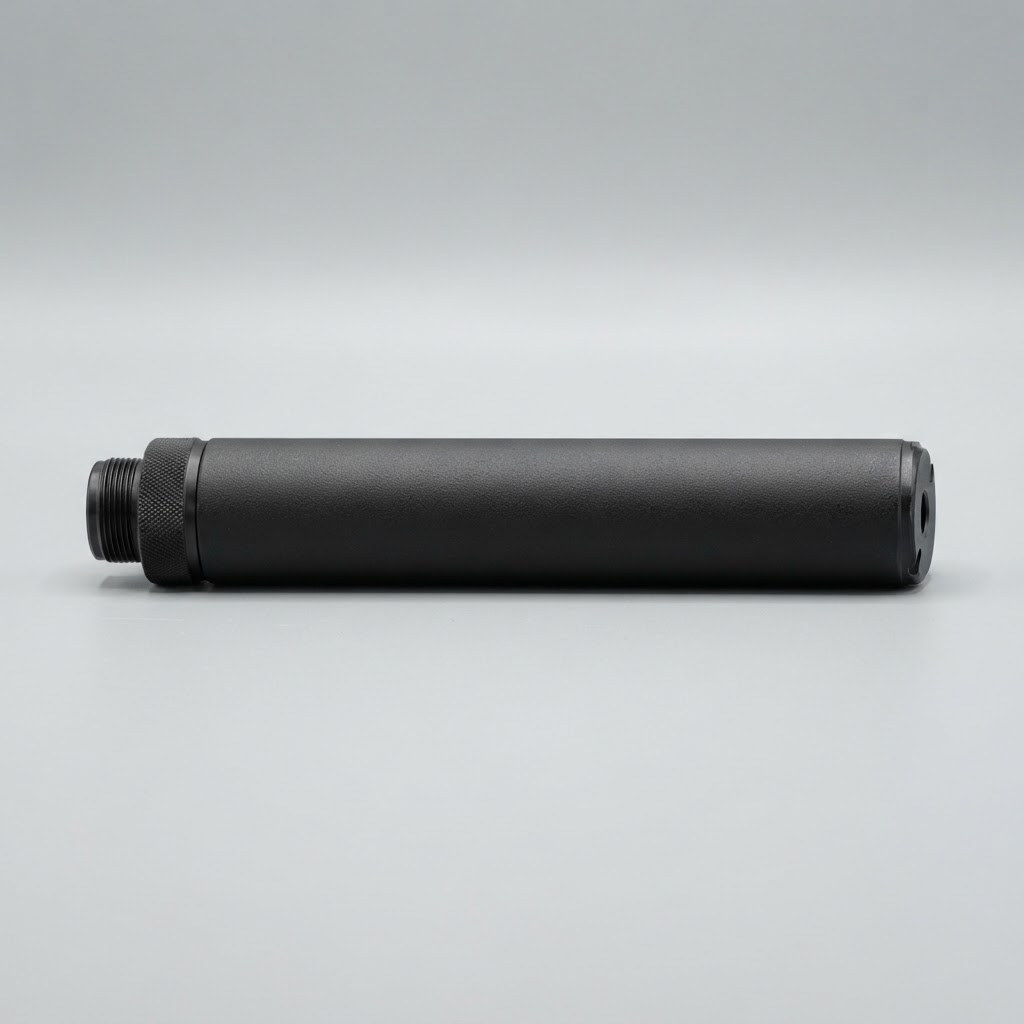
On October 9, 2026, ATF Director Robert Cekada published an open letter to every licensed dealer and the public. The short version: the wait is over for suppressors, short-barreled rifles (SBRs), short-barreled shotguns (SBSs) and "any other weapons" (AOWs). Here is the plain-English breakdown.
How we got here
- The One Big Beautiful Bill Act (2025) cut the NFA making and transfer tax to $0 for suppressors, SBRs, SBSs and AOWs.
- On August 5, 2026, a federal judge in the Northern District of Texas ruled in Silencer Shop Foundation v. ATF. With the tax gone, the court held the NFA's approval and registration rules for those items no longer stood on Congress's taxing power. The order took effect August 12, but only protected the plaintiffs.
- On October 9, the Justice Department chose to apply that same policy to everyone, not just the plaintiffs.
What changed
- You no longer need ATF approval before making or buying a suppressor, SBR, SBS or AOW.
- These items no longer have to be registered in the National Firearms Registration and Transfer Record.
- No more months-long Form 4 or Form 1 waits for these four categories.
- Filing is now voluntary. ATF will still accept Form 1, Form 3 and Form 4 if you want your item on the registry.
What did not change
- Machine guns and destructive devices. The $200 tax stayed on these, and every NFA rule still applies to them.
- Background checks. Suppressors and SBRs are still "firearms" under the Gun Control Act. Buying from a dealer still means a 4473 and a background check, and prohibited persons still cannot own them.
- State and local law. Many states ban some or all NFA items, and many of those bans only make an exception for items registered under federal law. If your state works that way, an unregistered item could be a state crime even though ATF no longer requires registration. Check your state before you buy, make or travel.
- Travel. Crossing state lines with an unregistered item is risky in states where these items are illegal. ATF itself says it is unclear whether state courts will honor the federal safe-passage law for unregistered NFA items. For SBRs and SBSs, ATF says to keep filing a Form 20 before you travel.
- Dealer taxes. Businesses that make, import or sell NFA items still pay their yearly special occupational tax.
- Dealers still cannot sell you anything that is illegal where you live.
Should you still register?
For a lot of owners, yes. Voluntary registration is cheap insurance:
- Some states only allow these items if they are federally registered.
- A registered item is easier to explain at a state line or a range in another state.
- This is an enforcement decision by the Justice Department, not a change to the law Congress wrote. A future administration, an appeal or new legislation could change it again, and a registered item is on record either way.
What this means at Native
- Every suppressor sale still goes through a licensed dealer near you, with a 4473 and a background check. That is the law, and that is how we do it.
- If you want your item registered anyway, tell us at checkout and we will help you file the Form 4.
- NFA trusts are still useful for sharing possession with family and passing items down. Our trust maker is being updated to reflect the new rules.
- Your Vault keeps your serial numbers, receipts and any approved forms in one place, registered or not.
This post is general information, not legal advice. Laws vary by state and change often. If you are unsure whether an unregistered item is legal where you live or travel, talk to a firearms attorney or your local authorities. Questions about the letter itself can go to ATF's Firearms Industry Programs Branch at fipb@atf.gov.