Budget vs. Buy-Once: How to Tier Your Deer Rifle Optic
You don't need the most expensive glass. You need the right glass for the light you hunt in and the distance you shoot. Here's how we break down optic tiers.
Bert B ·
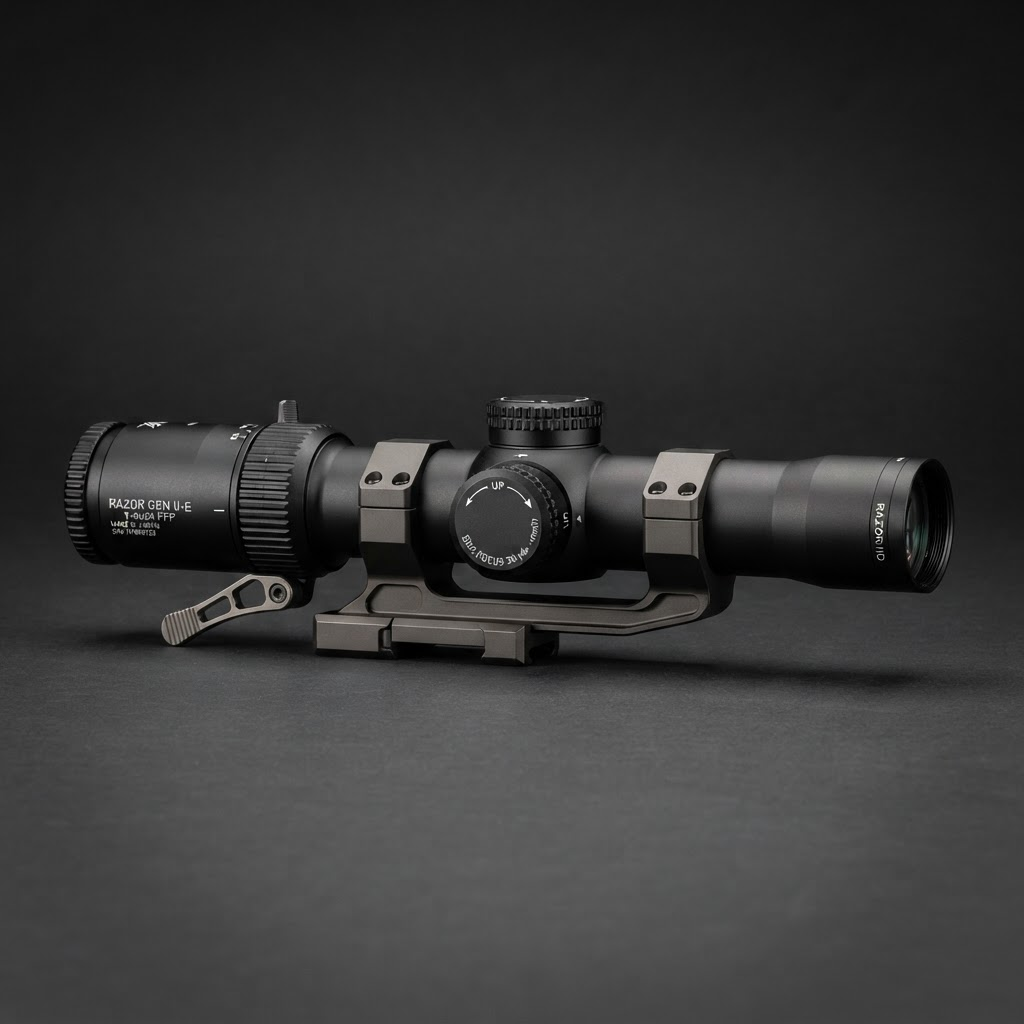
Optics is where hunters overspend and underspend in equal measure. The right scope isn't the most expensive one. It's the one that matches the light you hunt in and the distance you actually shoot.
Start with two questions
How far is your longest realistic shot? And when do the deer move on your place — first light, last light, or midday? Those two answers decide most of what you need.
Budget tier
A good budget scope today is genuinely good. Expect clear glass in daylight, reliable holding of zero, and a simple duplex or hash-mark reticle. Where it falls off is in the last fifteen minutes of light, when cheaper coatings start to go gray. If most of your shots are inside 200 yards in decent light, this tier will kill deer for years.
Middle tier
This is where most hunters should land. Better coatings buy you real minutes at dawn and dusk. Turrets track more reliably if you dial. Warranty and service usually improve too. If you hunt the edges of the day, this is the tier that pays for itself.
Buy-once tier
Top-end glass earns its price in low light, in harsh weather, and at longer distances where you're dialing elevation and need it to come back to zero every time. If you hunt hard, travel to hunt, or shoot past 300 yards, buying once can be cheaper than buying twice.
Where thermals fit
A thermal is a different tool, not a better scope. It's built for hogs, predators and night work where it's legal. For daylight whitetail, a quality conventional scope still wins.
Our rule of thumb
Spend on the glass before the gadgets. Then spend on mounts that won't move. A great scope in cheap rings is a cheap scope.
Tell us your rifle, your ground and your longest shot, and we'll tell you which tier we'd buy.